Description
What Lipo-C Is (Overview)
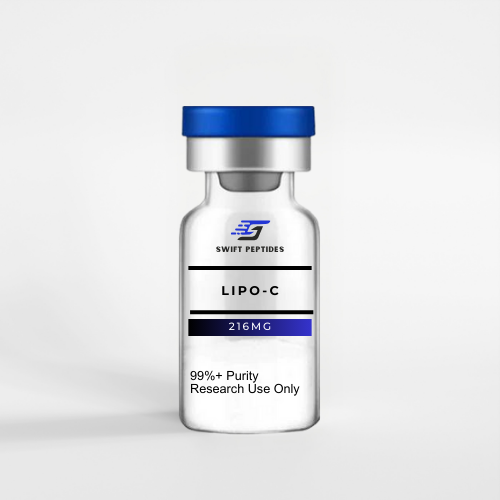
Lipo-C is a compound blend commonly used in research settings to study lipid metabolism, mitochondrial support, and energy production. It’s not a single peptide, but rather a formulation of bioactive compounds that play roles in fat transport and cellular energy pathways.
Typical components studied in Lipo-C formulations include:
(Exact ratios can vary depending on formulation.)
How Lipo-C Works (Mechanism of Action)
Lipo-C supports metabolic pathways by influencing how the body:
Rather than stimulating the nervous system or altering hormones, Lipo-C works by supporting biochemical processes involved in fat utilization and energy metabolism.
Key Effects Observed in Research
🔥 Fatty Acid Transport & Utilization
⚙️ Mitochondrial & Energy Support
🧬 Lipotropic Activity
-
Choline, methionine, and inositol are considered “lipotropic agents”
-
Studied for their role in lipid mobilization and liver metabolic processes
🧠 Non-Stimulatory Metabolic Support
What Lipo-C Is Not
To keep expectations clear:
-
❌ Not a stimulant
-
❌ Not a hormone or peptide
-
❌ Not a rapid fat-loss agent on its own
-
❌ Not an appetite suppressant
Its role is supportive, not aggressive.
Why Researchers Are Interested
Lipo-C blends are studied for insights into:
It’s often researched alongside dietary interventions or exercise models to better understand metabolic adaptation.


Reviews
There are no reviews yet.